Community Life and Social Connection Trends
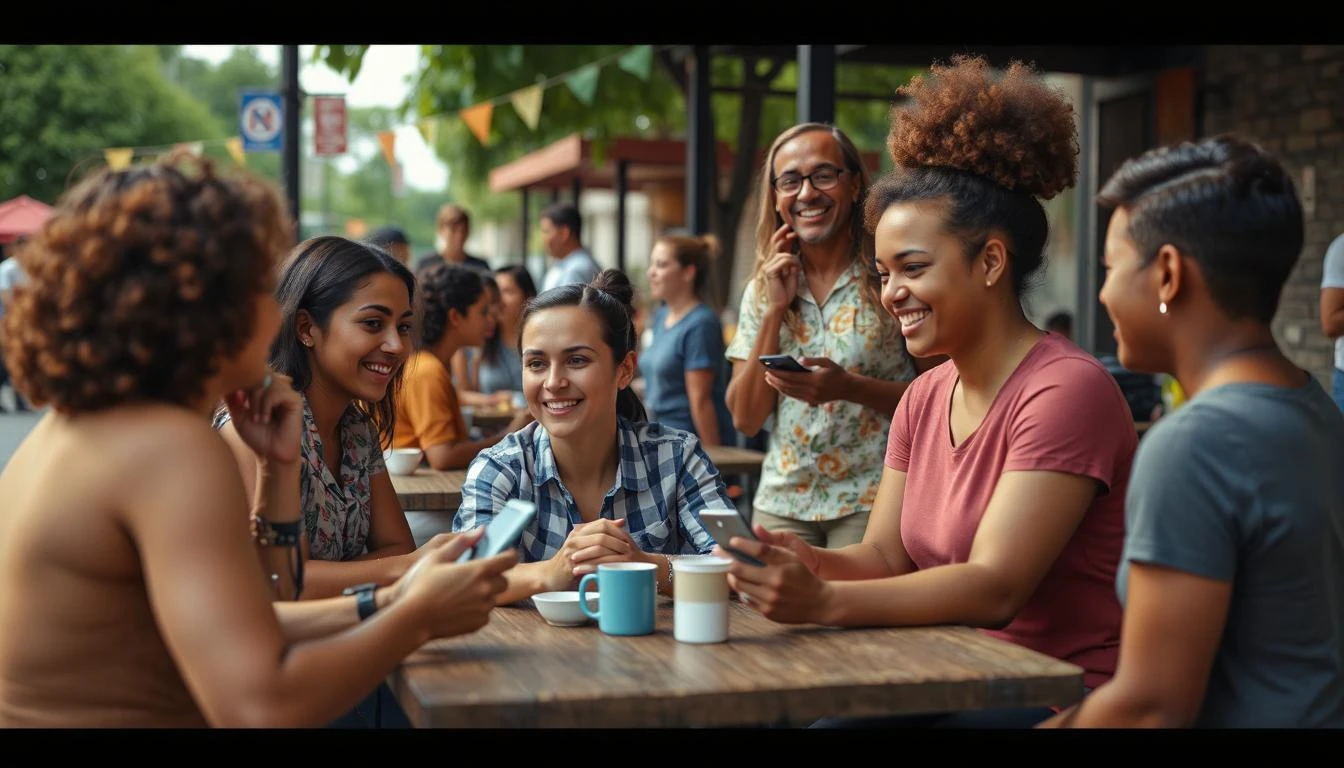
Across today’s rapidly shifting digital landscape, human interaction is no longer confined to streets, neighborhoods, or familiar gathering spots. It now stretches across platforms, marketplaces, and virtual environments where identity and communication constantly evolve. People are not just participating in society anymore, they are actively reshaping how society functions through new behavioral patterns and interconnected systems.
In this transformation, Community Life has become the central framework of modern social structure, where physical and digital worlds blend into a single continuous experience. As conversations move fluidly between offline and online spaces, social connection trends begin to define how individuals build trust, form relationships, and maintain belonging in a globally connected era.
Evolution of Modern Community Life
Modern society is undergoing a quiet but powerful transformation in how people connect, interact, and define belonging. Traditional boundaries between neighborhoods and digital ecosystems are dissolving, creating a hybrid structure where community is no longer limited by geography. This shift raises an important question: how do humans maintain meaningful connection in such a fast-moving environment?
In response to this evolution, Community Life adapts by merging cultural tradition with technological innovation. The rise of global platforms and shifting social connection trends has reshaped how individuals engage with one another, creating a dynamic system where identity is both local and global at the same time.
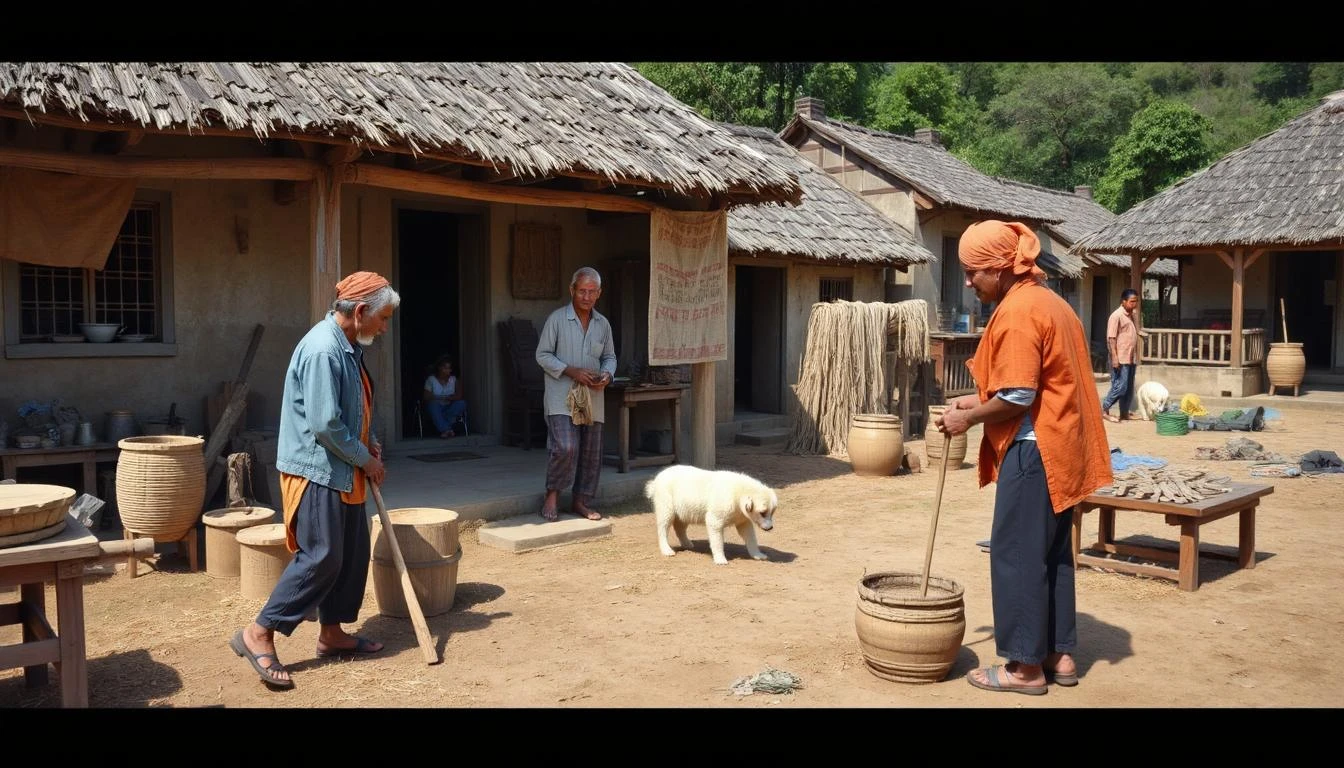
Urban vs rural social structures
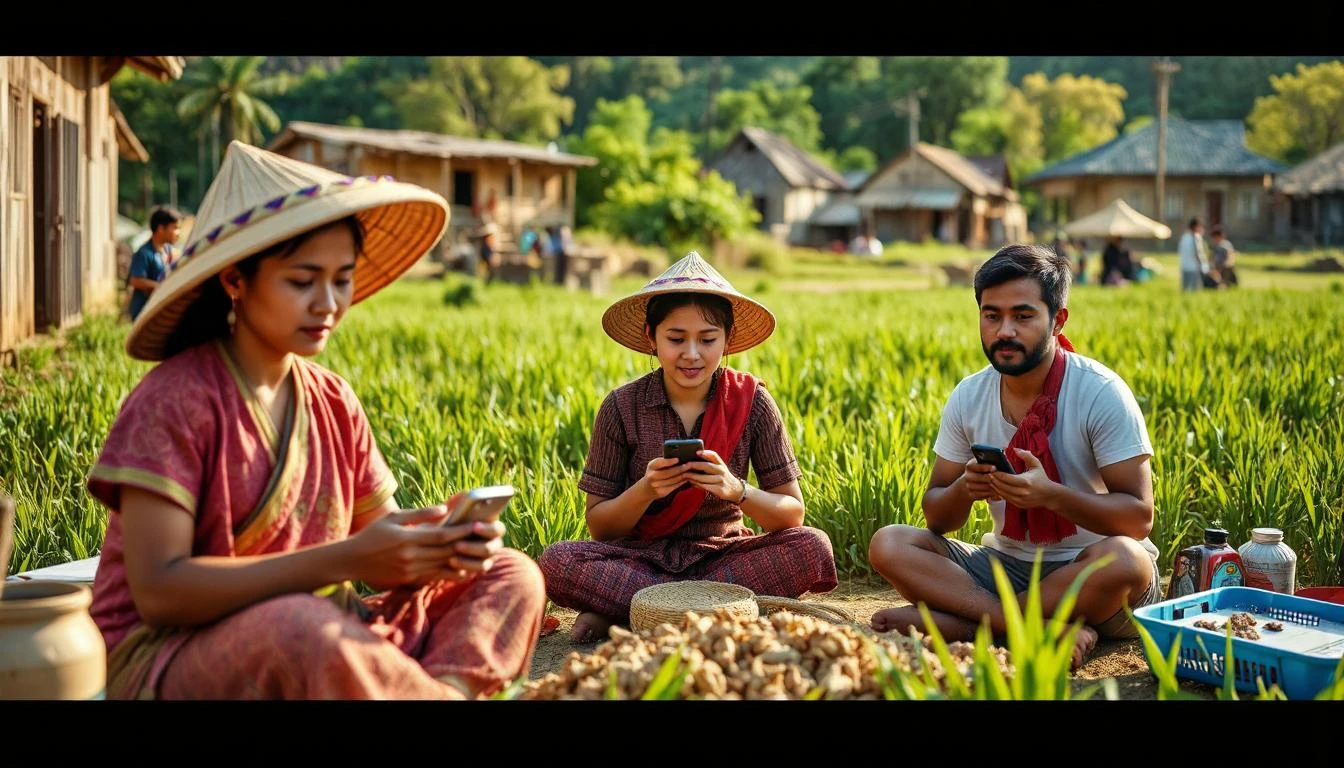
Urban environments tend to accelerate interactions, often prioritizing efficiency over depth, while rural settings preserve slower, more intimate connections. Yet both environments are now influenced by digital access, which blurs the contrast between them. Rural communities gain exposure to global networks, while urban societies rediscover localized engagement.
This blending creates a new rhythm of Community Life, where traditional values coexist with digital participation. As sociologist Manuel Castells once stated, “Networks constitute the new social morphology of our societies,” highlighting how deeply connectivity now shapes human behavior.
Digital communities replacing physical spaces
Physical gathering spaces are no longer the only centers of interaction. Online forums, digital marketplaces, and interest-based groups have become modern social hubs where people connect beyond physical limitations. These platforms redefine how communities are formed and sustained.
Within this shift, social connection trends reveal a growing preference for virtual belonging. A digital marketplace today is not just a place for transactions, it is also a space where ideas, identity, and collaboration thrive.
Changing lifestyle and social habits
Daily routines are now shaped by instant communication, algorithm-driven content, and mobile-first engagement. People interact more frequently but often in shorter bursts, reflecting a lifestyle built on speed and accessibility.
This transformation influences Community Life in subtle ways, as individuals continuously adjust how they connect, respond, and participate in shared environments. Social habits are no longer static, they evolve alongside technology itself.
The Power of Social Connections in Digital Era
Human connection has become more complex and expansive in the digital age. Communities are no longer defined by location but by shared interests, values, and digital presence. This raises a deeper question: can virtual relationships carry the same emotional weight as physical ones?
Within this evolving structure, Community Life expands through interconnected platforms where engagement happens in real time. The acceleration of social connection trends shows that belonging is now shaped by participation rather than proximity.
Online communities and forums growth
Online forums and niche communities have become essential spaces for expression and interaction. They allow individuals with similar interests to gather, exchange ideas, and build identity collectively.
This growth strengthens Community Life by enabling micro-communities to flourish globally. A digital marketplace environment often becomes the starting point for these interactions, merging commerce and conversation seamlessly.
Influence of messaging and social apps
Messaging platforms have transformed communication into an always-on experience. Conversations now happen instantly across continents, reinforcing emotional and professional relationships.
These tools accelerate social connection trends, making communication more fluid and accessible. According to digital sociologist Sherry Turkle, “We expect more from technology and less from each other,” a reflection of how deeply digital tools influence connection behavior.
Virtual events and digital meetups
Webinars, livestreams, and virtual conferences have replaced many traditional gatherings. These formats allow global participation without geographical barriers, expanding the reach of communities significantly.
In this context, Community Life becomes increasingly borderless, where participation is defined by presence rather than physical attendance.
Strengthening Real World Social Bonds
Despite digital dominance, human beings still crave physical presence and emotional authenticity. Real-world interactions remain essential for building trust and long-term relationships. This balance between digital and physical engagement becomes the foundation of sustainable communities.
As social connection trends evolve, societies begin to recognize the importance of reconnecting offline while maintaining digital accessibility.
Local events and community engagement
Local gatherings, cultural festivals, and neighborhood activities play a vital role in restoring human connection. These interactions strengthen emotional bonds that digital platforms alone cannot replicate.
Within Community Life, such events serve as grounding points that reinforce trust, identity, and shared values.
Hybrid social interaction models
Hybrid models combine physical and digital engagement, allowing people to interact across multiple layers of communication. This approach reflects modern behavioral flexibility.
These evolving social connection trends ensure that individuals remain connected regardless of location, time, or circumstance.
Rebuilding trust in communities
Trust is the foundation of every strong social structure. Transparency, consistency, and shared responsibility help rebuild weakened community bonds.
In modern Community Life, trust becomes a renewable asset that grows through repeated meaningful interactions.
Build Stronger Social Connections in Your Community
The way people connect today defines how society will function tomorrow. Every interaction contributes to shaping stronger or weaker community ecosystems. By actively engaging in both digital and physical spaces, individuals help reinforce the structure of Community Life.
As social connection trends continue to evolve, participation becomes more important than presence alone. The future of connection is built through intentional engagement, not passive observation.