Traditional Living in Modern Era Revival
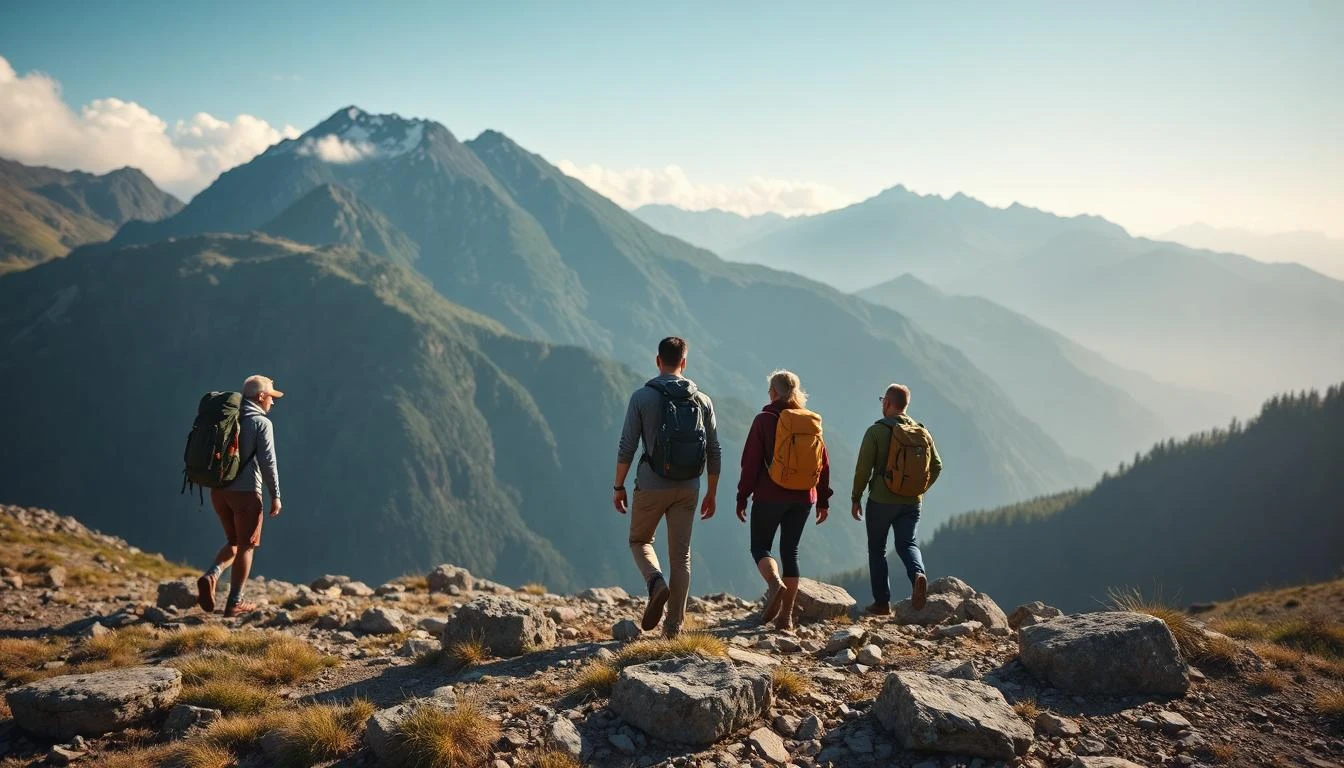
The world is moving fast, almost breathless at times, and yet something quietly persistent is pulling attention back toward simplicity, grounding, and meaning. Across cities and rural landscapes, people are starting to question the rhythm of modern life and asking whether something essential has been left behind.
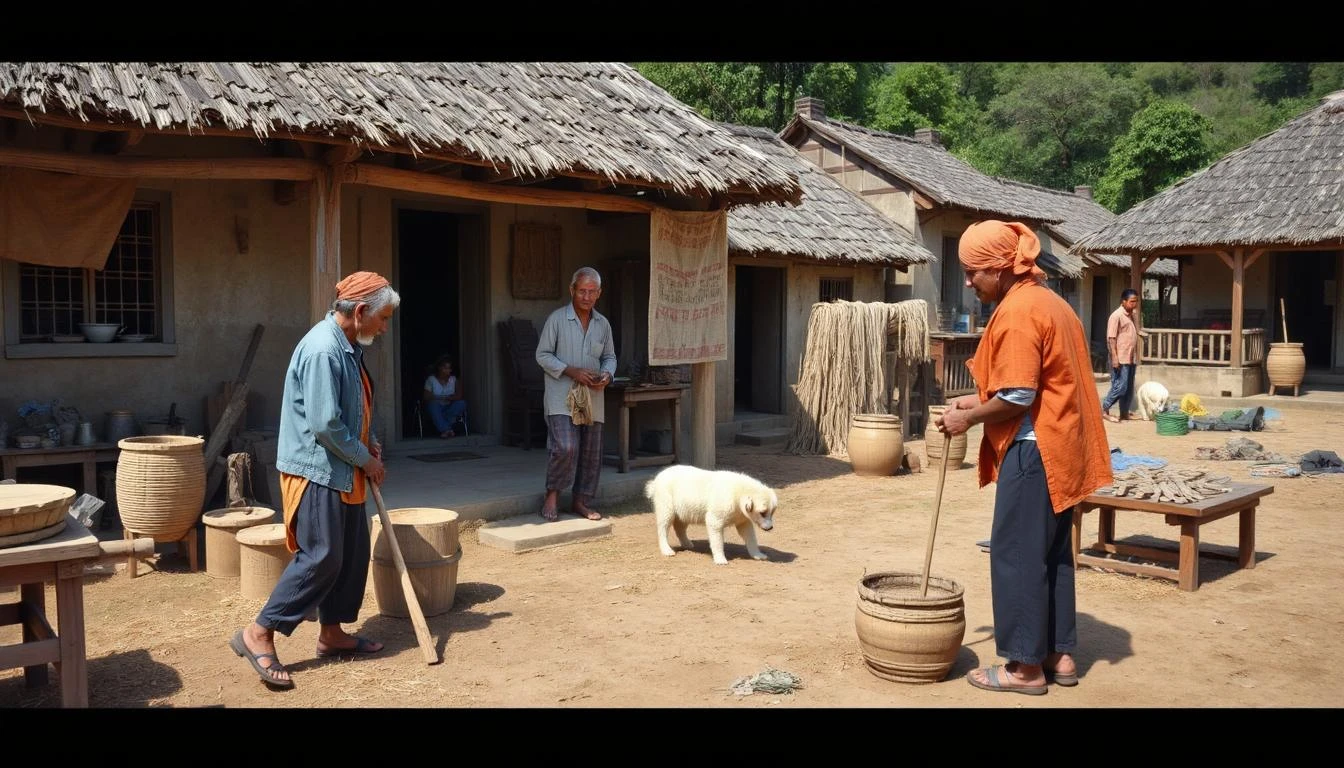
There is a growing return to intentional lifestyles shaped by memory, culture, and nature. In this evolving landscape, Traditional Living is not just a nostalgic idea but a living response to the pressures of modern existence. It reconnects daily routines with slower rhythms, deeper awareness, and more meaningful interaction with both people and environment.
The Return of Traditional Lifestyles
A subtle cultural shift is unfolding across the globe, where simplicity is no longer seen as regression but as refinement. The return to grounded living is shaping how people eat, work, build homes, and even define success. This section explores why this shift feels so powerful right now.
There is a renewed curiosity about life before constant digital saturation, where time felt more spacious and experiences more tangible. Many communities are rediscovering practices once considered outdated but now recognized as deeply restorative.
Traditional Living is increasingly aligned with the modern era lifestyle revival, reflecting a global desire to restore balance between progress and human well-being.
Growing interest in slow living movement
The rise of the slow living movement reflects a growing awareness that speed does not always equal progress. People are intentionally slowing down their routines, prioritizing presence over productivity. In urban apartments and rural retreats alike, mornings are becoming quieter, meals more intentional, and work more focused.
As cultural anthropologist Daniel Harlow notes, “When people slow down, they begin to recover not just time, but emotional clarity.” This shift reveals how deeply modern life has been overstimulated.
Organic and self-sufficient living trends
Across regions, eco-conscious communities are embracing eco villages, permaculture systems, and regenerative farming. These movements are reshaping how individuals think about food security and environmental responsibility.
At this point, modern era lifestyle revival becomes more than a concept, it transforms into action, especially in households adopting self-sufficient gardening, compost systems, and off-grid energy solutions.
Cultural heritage appreciation
Revival is not only ecological but also cultural. Traditional music, architecture, and rituals are being preserved with renewed pride. Communities are realizing that identity is deeply tied to heritage.
Historian Livia Moreno explains, “Cultural continuity is not about preserving the past unchanged, but allowing it to breathe within the present.”
Blending Tradition with Modern Technology
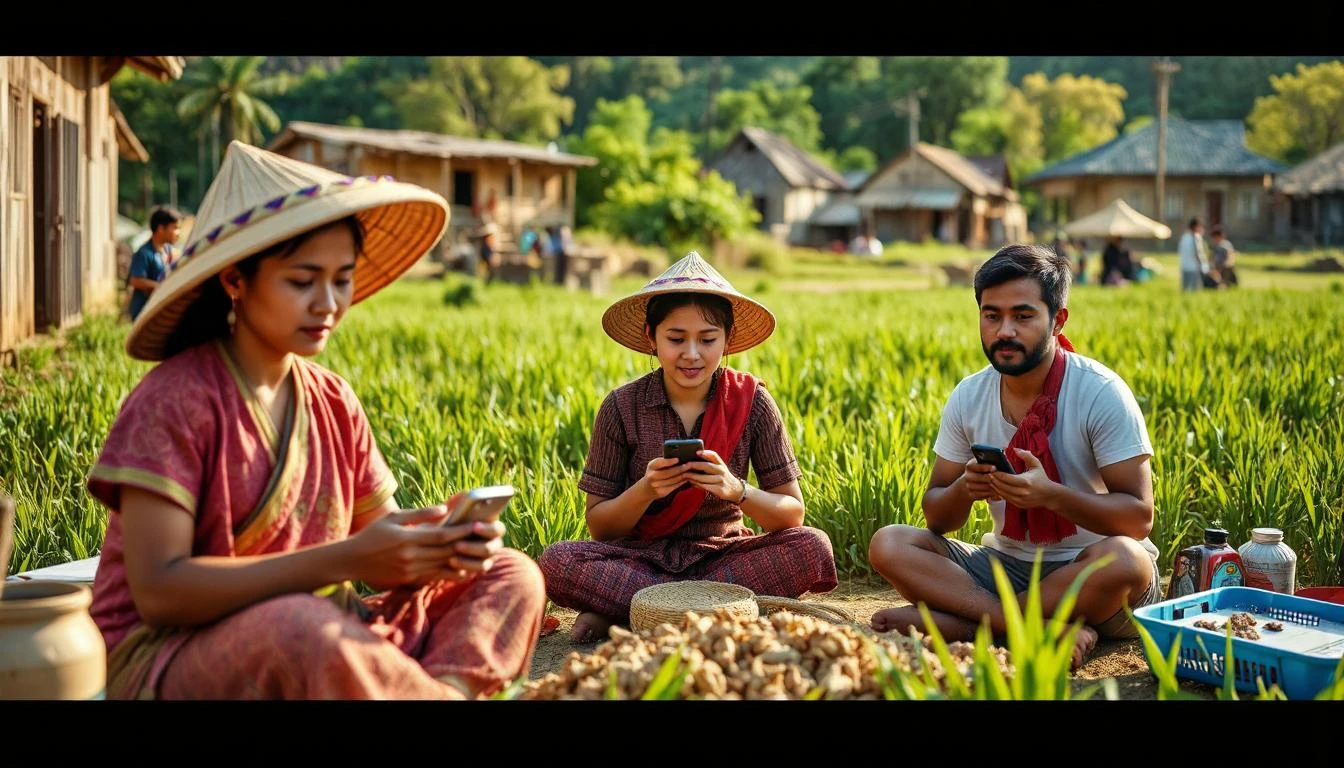
The intersection of heritage and innovation is no longer a contradiction. Instead, it is becoming a new design language for how societies evolve. Old wisdom is being reinterpreted through modern tools, creating hybrid lifestyles that feel both rooted and futuristic.
People are no longer choosing between tradition and technology, they are combining them into a single coherent way of living.
The growth of the digital marketplace has unexpectedly strengthened handmade crafts, allowing artisans to reach global audiences while preserving authenticity.
Smart homes with traditional design values
Modern architecture is shifting toward balance. Smart homes now integrate natural ventilation, bamboo structures, and earth-based materials while still using advanced automation systems. The result is comfort without disconnection from nature.
Digital tools supporting traditional crafts
Artisans are now using online platforms to sustain their work. From weaving communities to pottery studios, digital exposure is helping preserve skills that might otherwise disappear.
According to designer Hiroshi Tanaka, “Technology becomes meaningful when it amplifies culture rather than replaces it.”
Sustainable living innovations
Innovations in renewable energy, circular design, and eco-materials are transforming how traditional lifestyles operate in modern systems. Sustainability is no longer an alternative, it is becoming a foundation.
Challenges and Opportunities of Revival Movement
The revival of traditional lifestyles is not without tension. There is a constant negotiation between convenience and authenticity, efficiency and meaning. Yet within this tension lies opportunity.
Many societies are discovering that balance is possible, but not automatic. It requires intention, design, and cultural sensitivity.
Balancing modernization and tradition
Modern infrastructure often clashes with slower, heritage-based systems. However, hybrid models are emerging where tradition guides design while technology supports function.
Economic sustainability of traditional living
A key question remains: can traditional lifestyles survive economically? Increasingly, the answer appears to be yes. Ethical tourism, artisan branding, and regenerative agriculture are forming viable economic ecosystems.
Search patterns like “how traditional living influences global marketplace trends 2026” reflect growing global curiosity about this balance.
Generational perspectives on lifestyle change
Younger generations are redefining what it means to live well. Many are adopting remote work lifestyle models that allow them to live closer to nature while staying digitally connected.
This shift suggests that tradition is no longer bound by age, it is becoming a shared aspiration.
Embrace the Revival of Traditional Living Today
There is a quiet transformation happening beneath the surface of modern life. People are no longer asking only how to succeed, but how to live meaningfully. This shift signals a deeper reorientation toward values that feel enduring rather than temporary.
As sociologist Elena Rausch states, “When societies return to their roots, they often discover not the past, but a more stable version of the future.”
The slow living movement, cultural heritage, and green living trends are all converging into a single global narrative, one that redefines progress as balance rather than speed.